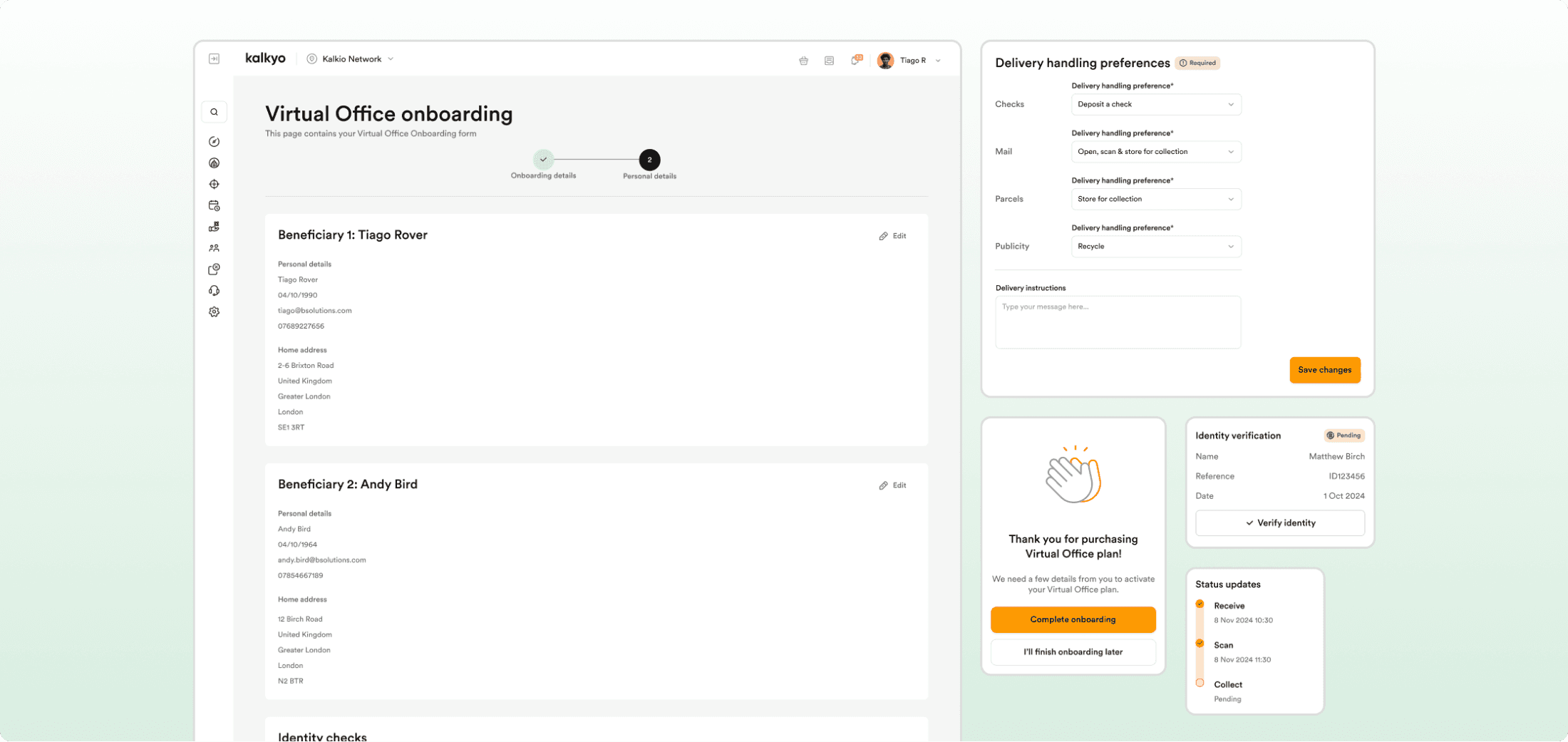
Reduced customer dependency on costly third-party virtual office tools by designing an integrated solution
Overview
About
Our workspace management platform serves operators who need solutions that cover everything from desk bookings to community feeds. The virtual office market exploded post-pandemic, but we weren't meeting that demand. This meant losing out on potential revenue while our customers either built manual workarounds or paid for third-party tools, creating disconnected workflows.
The challenge
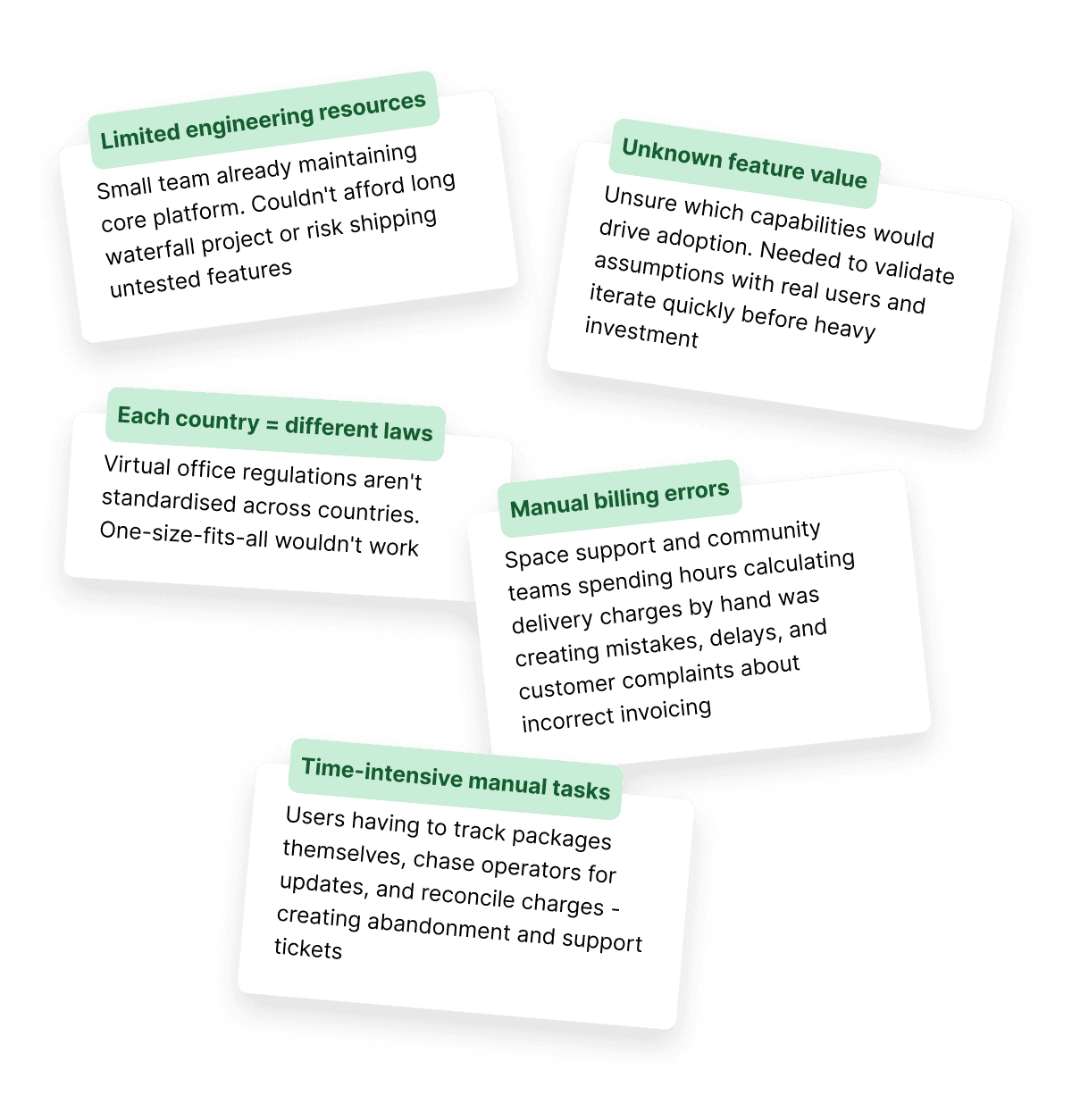
Revenue gap: virtual office experience represent recurring revenue opportunities that were lost to indirect third-party competitors
Customer friction: clients had to juggle our platform plus separate third-party tools, which added cost and complexity to their daily operations
Compliance risk: manual verification processes created legal exposure operators couldn't afford
Impact
I designed a modular system that that works across our B2B2C platforms: the space management portal (for operators), the member portal, and our member mobile app. Everything from compliance checks to mail forwarding now lives inside the tools operators and their customers already use daily. Unlike most of our competitors who partner with third-party services, we built it natively into the platform, which became a key differentiator.
Time frame
Role
Responsibilities
TL;DR
Before
Operators were using either manual processes or third-party platforms at additional cost resulting fragmented experience, potential manual compliance risk and lost revenue opportunity for us
After
New revenue stream opportunity both for the operators with reduced manual effort required (or the need to use third-party platforms) and us
Streamlined compliance workflows that is configurable to support multi-region requirements
Achieved
Removed costs for customers, increased platform stickiness, and gave us a way into virtual office markets we couldn't serve before
Design approach
Breaking it into phases
Rather than launching everything at once, I scoped three strategic phases:
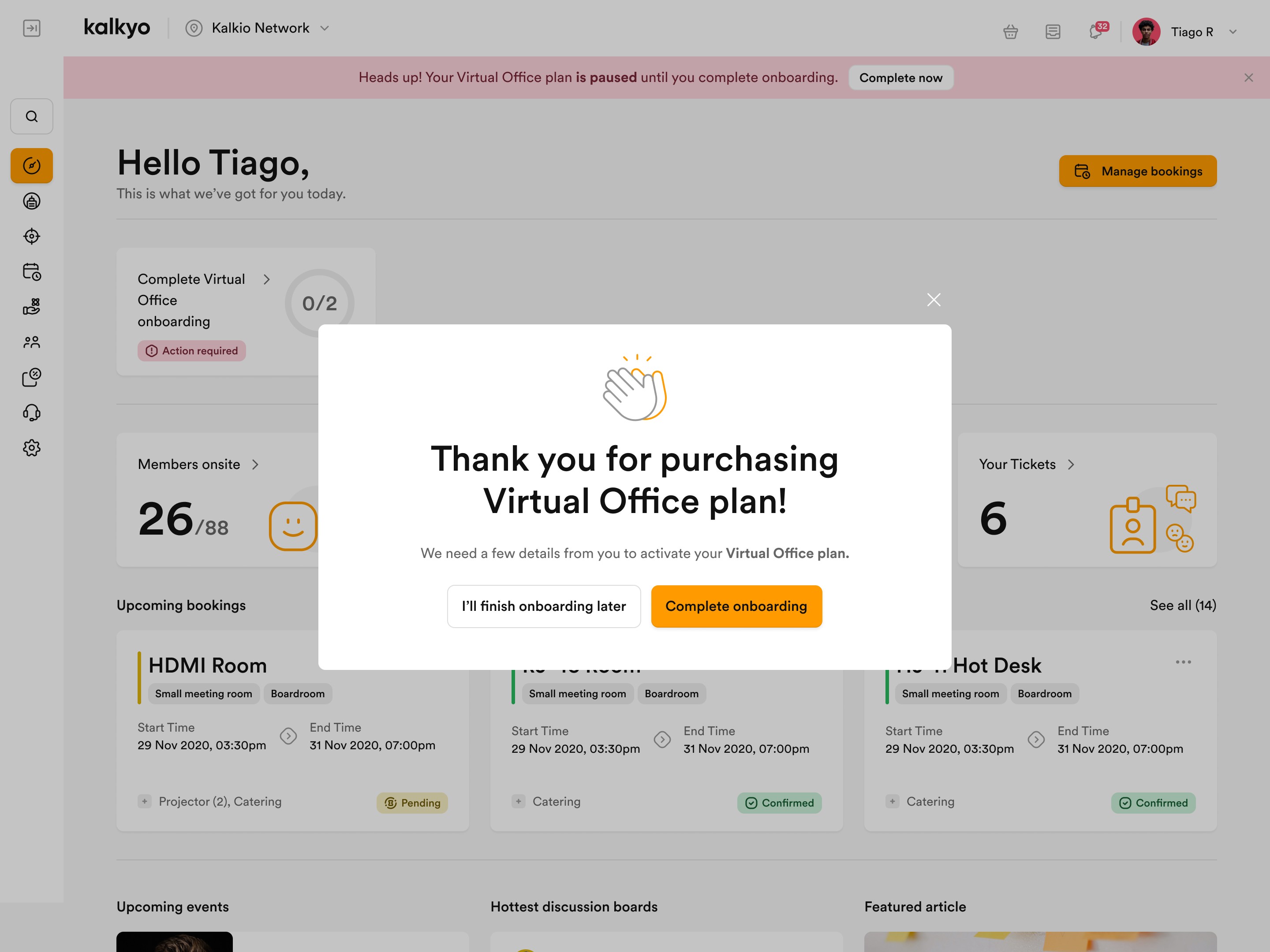
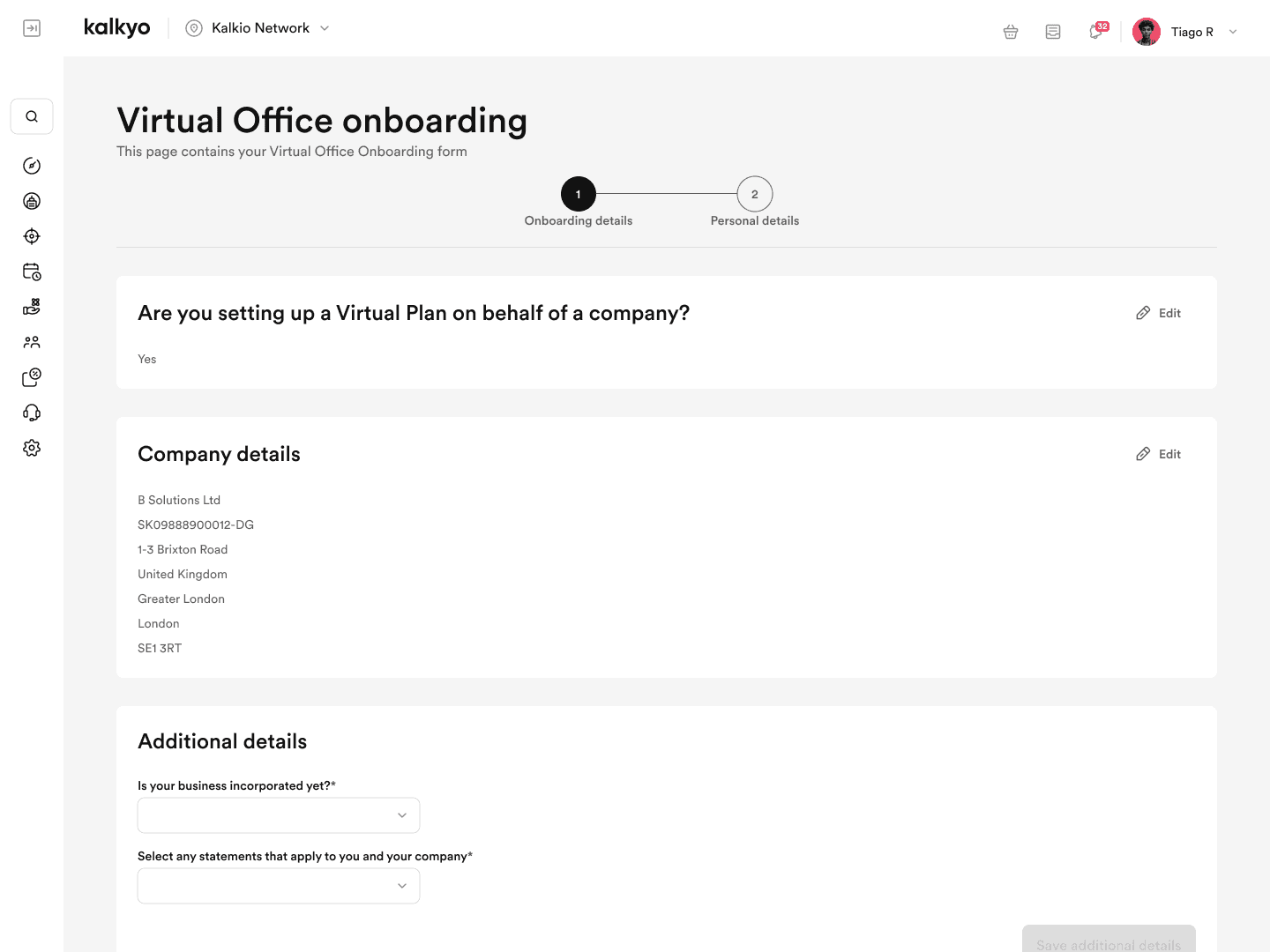
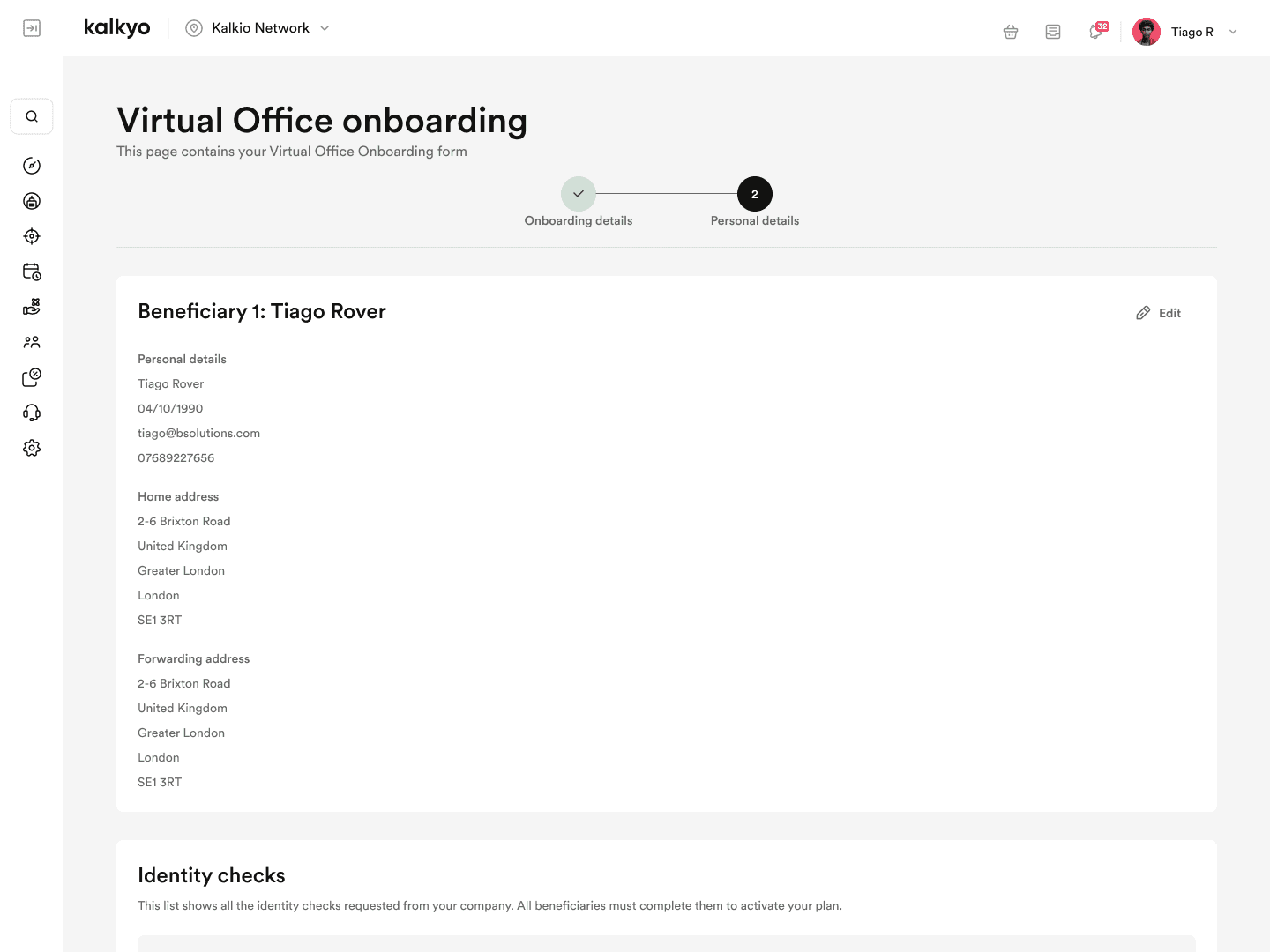
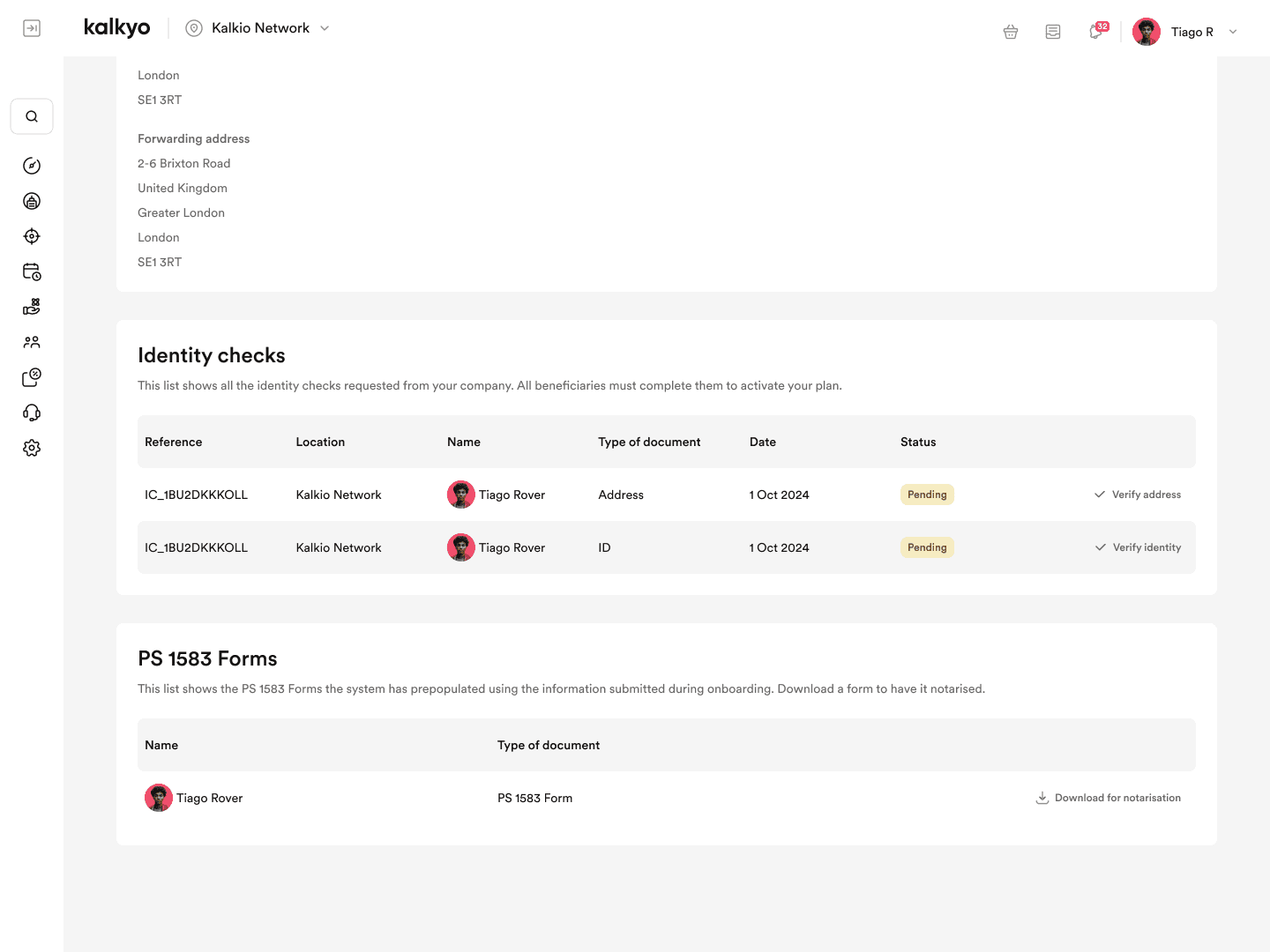
Onboarding flow: configurable onboarding experience for different region legal requirements
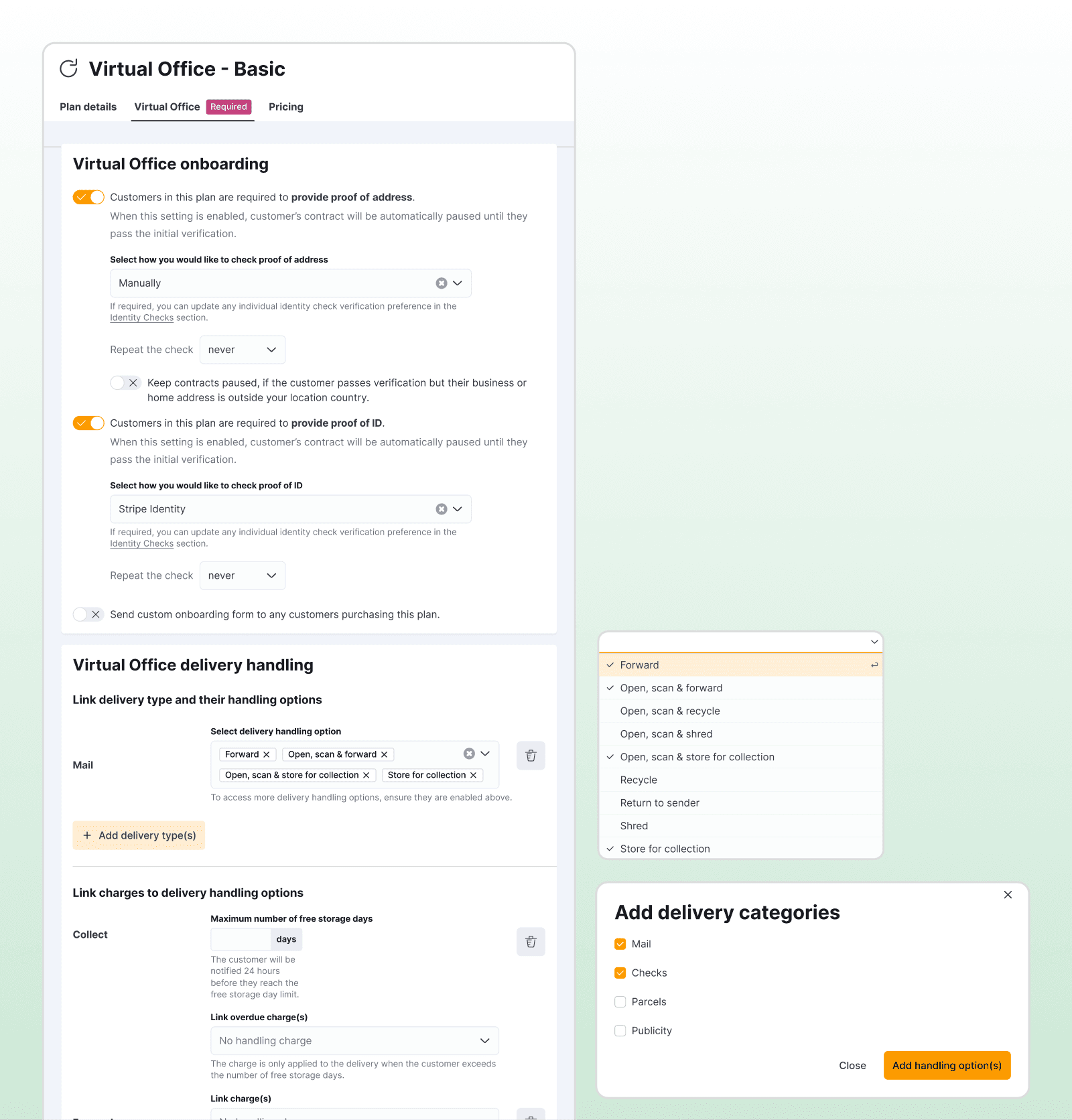
Management dashboard: delivery tracking with automated billing
Subscription integration: seamless plan management for our business customers
This approach lets us get feedback on core functionality before adding complexity without overextending resources.
Understanding compliance requirements
I researched virtual office regulations across multiple regions and discovered different legal requirements. Instead of designing for one market, I created a configurable compliance framework.
Integrated billing logic
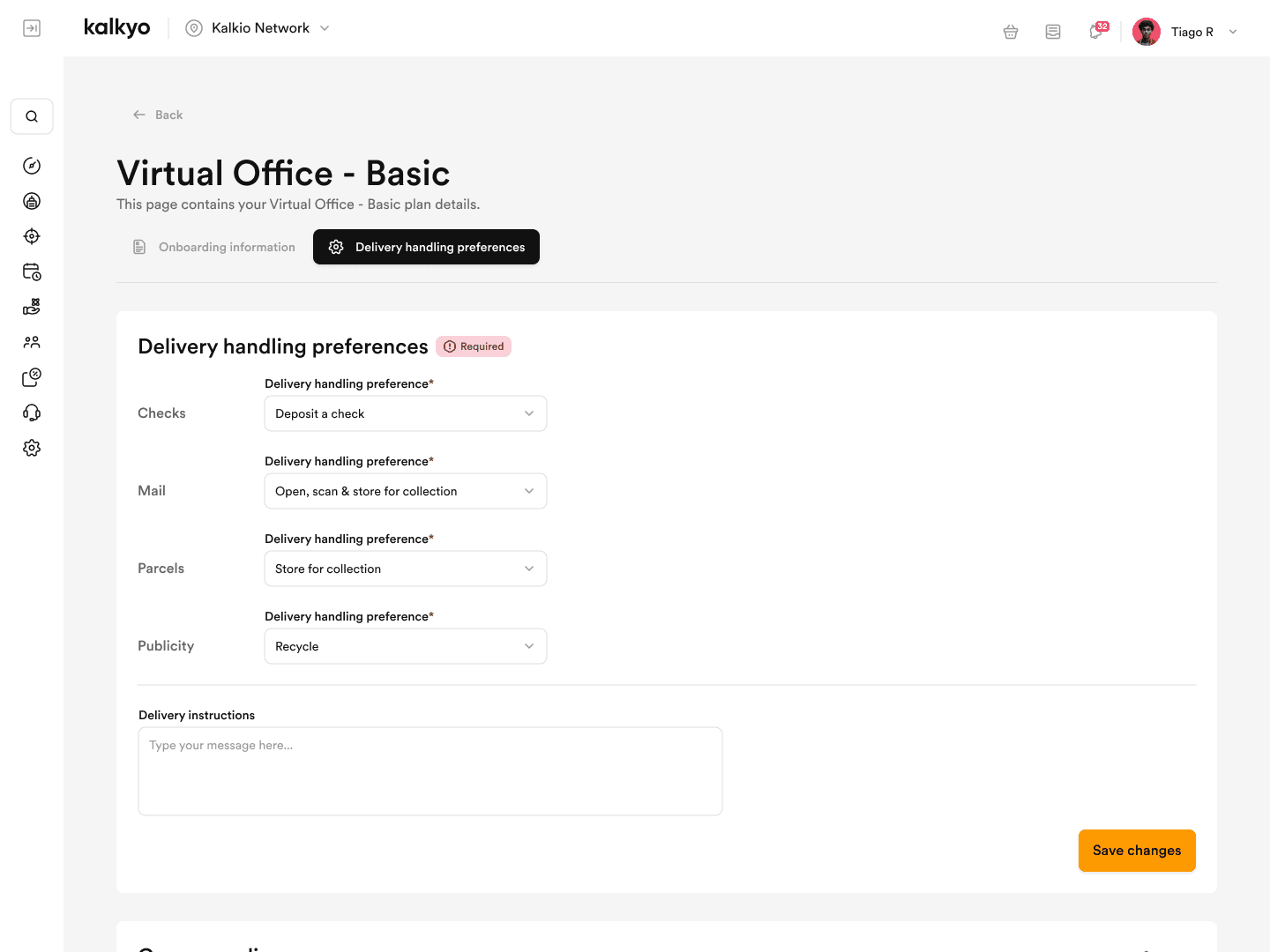
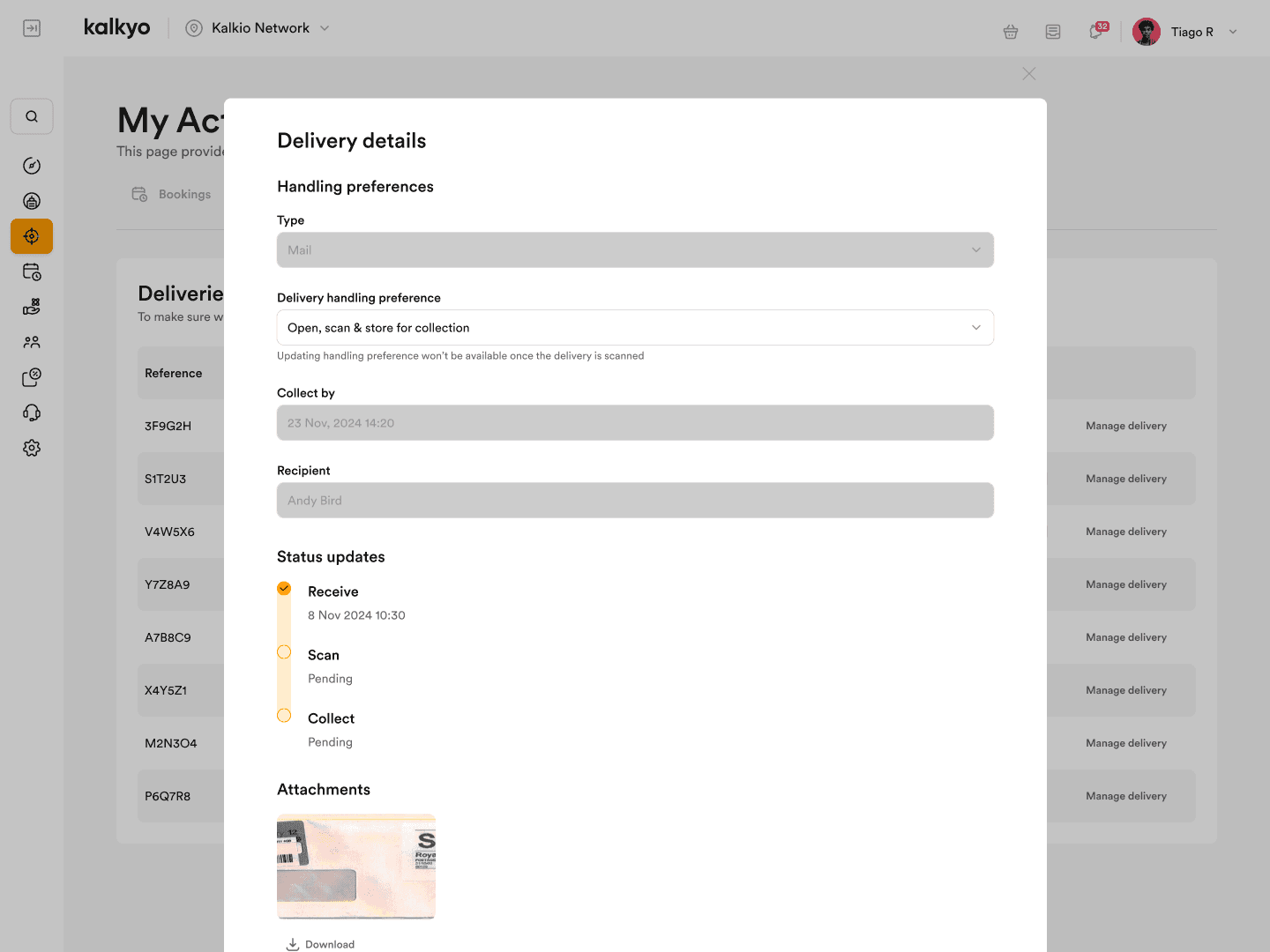
Operators were manually tracking delivery charges against subscription plans, which created errors and admin headaches. I designed automatic charge linking. When they process a delivery, the system calculates fees based on customer delivery handling preferences.
This eliminated an entire manual workflow.
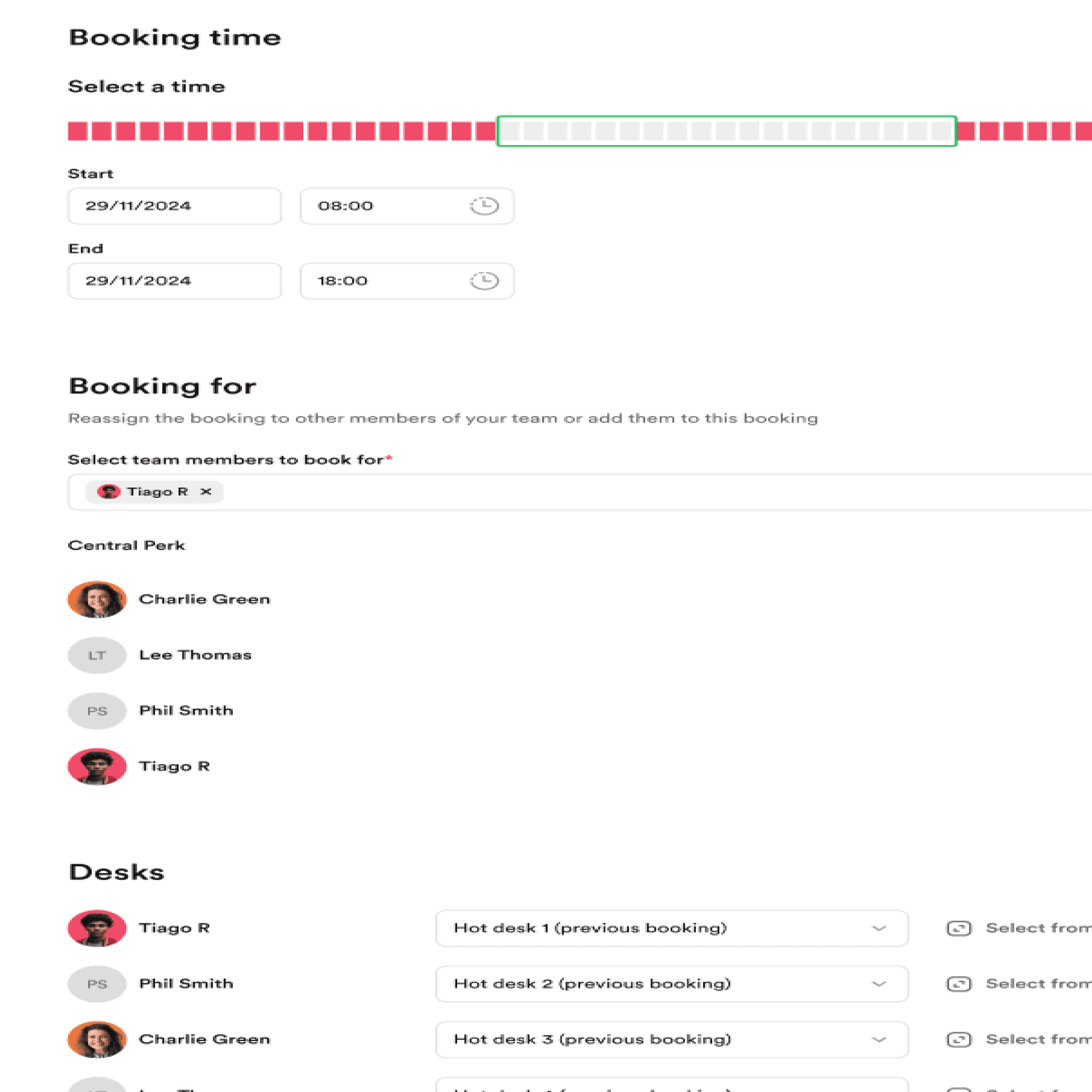
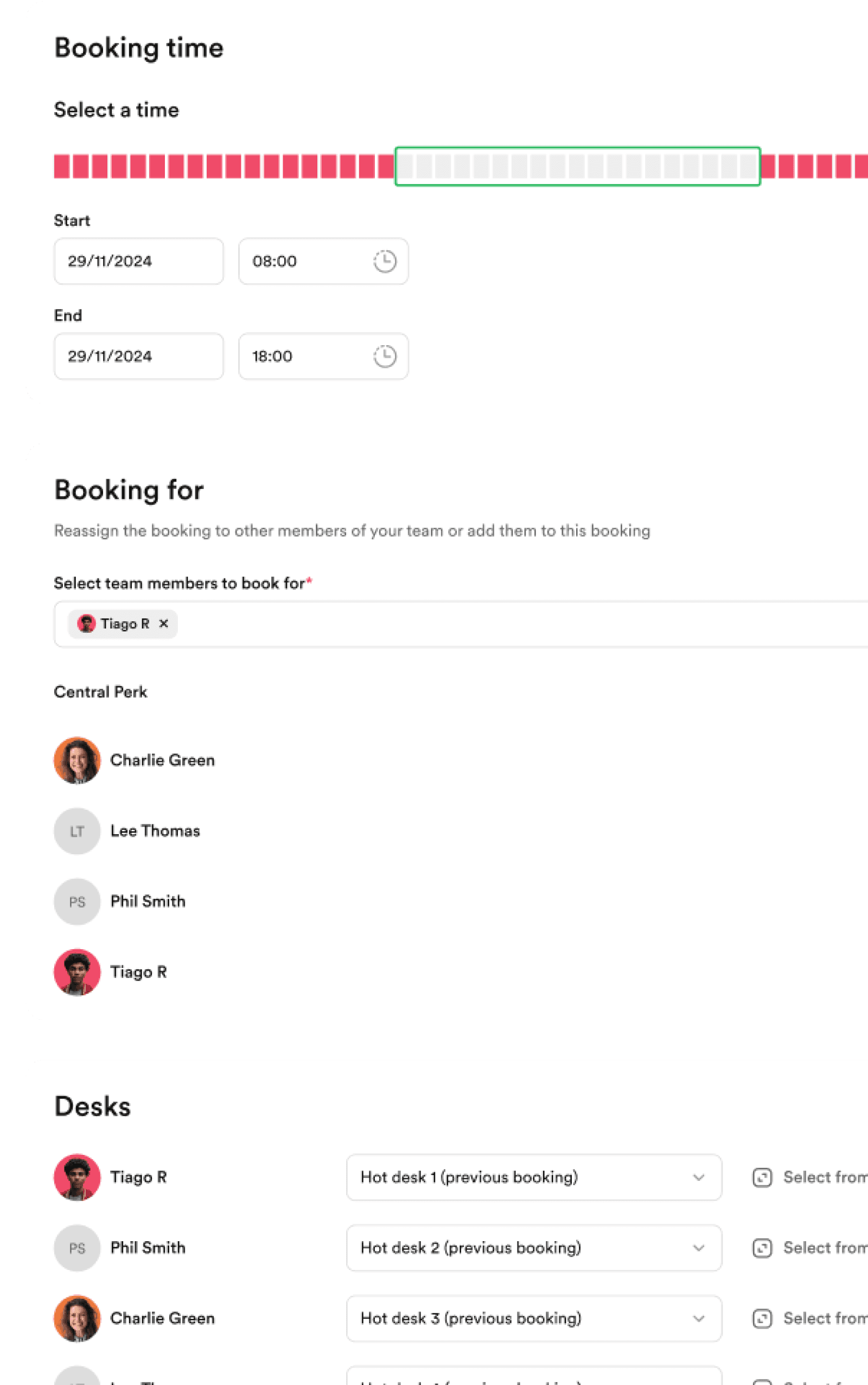
Virtual office customer experience snapshots
drag the cards to shuffle through the images
Key moments & learnings
Configurability over perfection
Working with businesses across the globe taught me that designing for international markets could make it challenging finding one perfect solution. I had to balance keeping the user journey intuitive while building in the flexibility to handle different country regulations. Sometimes the best design is one that adapts to diverse needs rather than trying to be everything to everyone.
Getting pricing right before building anything
Leading a pricing workshop with senior leadership ended up being crucial. By connecting pricing decisions to what we'd actually need to build, I turned abstract strategy discussions into concrete choices. Getting everyone on the same page early saved us from having to redo things later.
Bringing development into the process early pays off
I involved the development team from the start of discovery which made a huge difference. Understanding their needs meant I could break down scope into manageable pieces and reuse existing UI patterns wherever it made sense. This kept us moving quickly without creating unnecessary work for the team.
When you're designing with different country regulations at play, talking to customers is key
I made it a priority to engage with different customer segments throughout the design process, sharing in-progress prototypes to get their feedback. Their feedback helped me catch friction points early and nail down what had to be in the MVP. When regulations vary by country, you need real feedback, not assumptions.
Design is never done. What's next
Making onboarding even better
Early feedback and some internal UX audits showed me a few friction points in the onboarding form that I want to tackle next. There's opportunity to make the virtual office customer experience even smoother, and this is high on my list for the next round of improvements.
Finding more ways to reduce manual work
Throughout this project, almost every virtual office business I talked to mentioned efficiency and cutting down on manual tasks. I want to dig deeper into their day-to-day workflows to uncover more opportunities where we can help them save time.
Want to work together? Drop me a message and let's chat.
© 2025 Liva Designs