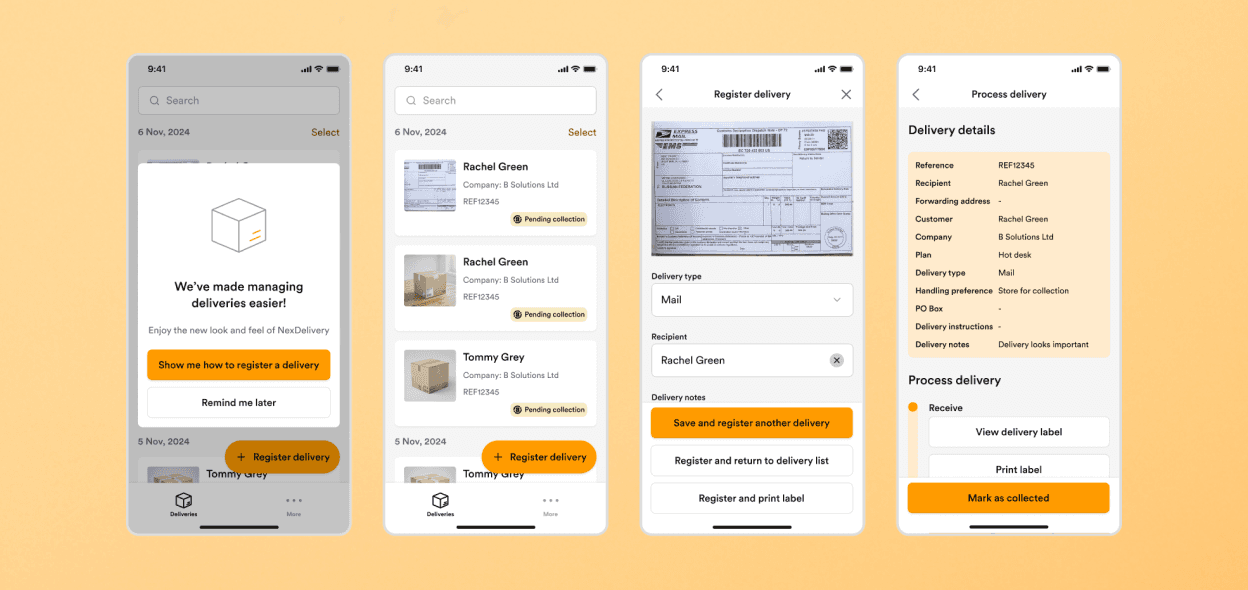
Streamlining delivery ops for 100+ corporate clients while keeping us ahead of direct competitors in the virtual office market
Overview
About
NexDelivery is a mobile delivery management app serving 100+ corporate clients who need efficient package management experience from coworking space to warehouse and storage operators.
The challenge
The existing registration flow was slowing down operators who log multiple deliveries daily. Plus, the outdated UI created inconsistency across our product suite, especially as we expanded into the virtual office market.
Impact
I redesigned the entire delivery registration experience with intelligent workflow adaptation, getting rid of manual tasks and creating a cohesive cross-platform experience.
Time frame
Role
Product and design lead
Responsibilities
Before redesign
Unintuitive delivery management workflow that at times creates confusion for the team members managing deliveries.
Inconsistent UI across companion apps.
Businesses manage virtual office customer mail manually or via third-party platforms (at additional cost) creating fragmented operational experiences.
After redesign
Smart label scanning extracts customer details automatically.
Workflow adapts to each customer’s delivery preferences.
Automatic charge posting for virtual office customer deliveries.
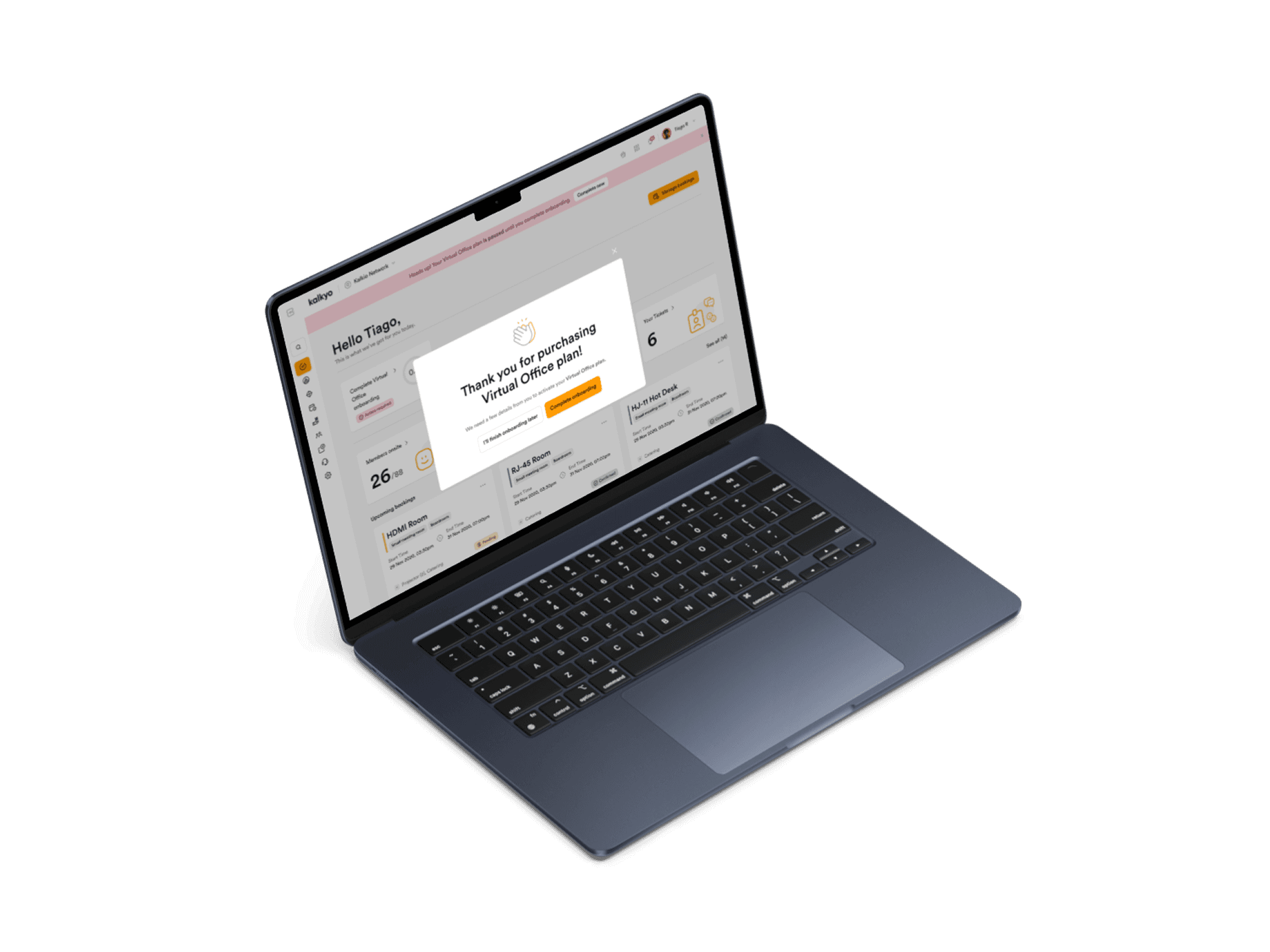
Unified design language for virtual office experiences across the different products.
Understanding the operator workflow
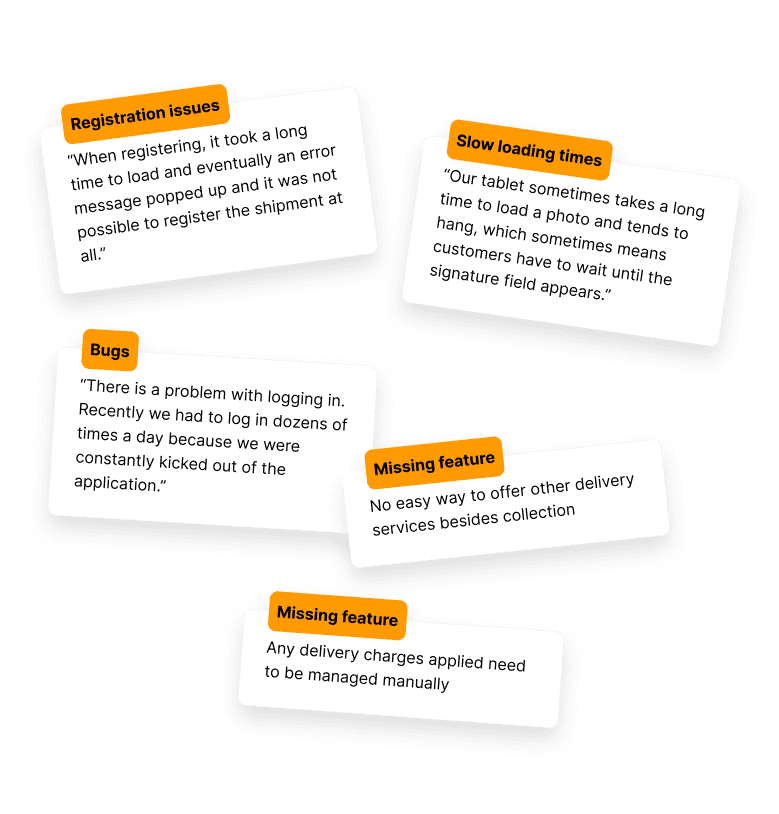
Breaking down the pain points
Through conversations with customers, I mapped out the current registration process and identified friction points.
Design principle
Space operators often juggle lots of responsibilities at once so reducing manual effort is key. Make the system adapt to the user and their needs, not vice versa.
Building the intelligent workflow
Auto-adaptation logic
I worked closely with engineering to design a system that automatically adjusts based on:
Customer delivery handling preferences
Delivery type settings
Collection process requirements
The goal was simple: let operators focus on the package in front of them instead of remembering each customer's unique setup (which some of them would do in the absence of streamlined workflow).
Label data extraction
When usability testing revealed how valuable automatic data extraction would be, I advocated to add this back into MVP scope. Operators specifically mentioned this as a major time-saver during feedback sessions.

Balancing constraints with user needs
When development team flagged technical limitations around PDF uploads and multi-page scanning, I worked with the team to identify alternatives that maintained user value.
I facilitated prioritisation sessions to align everyone on MVP vs. future releases, making tough calls about descoping complex features to ensure timely delivery. Not every feature makes it into version one, and that's okay. What matters is shipping something that solves the core problems.
Onboarding tour
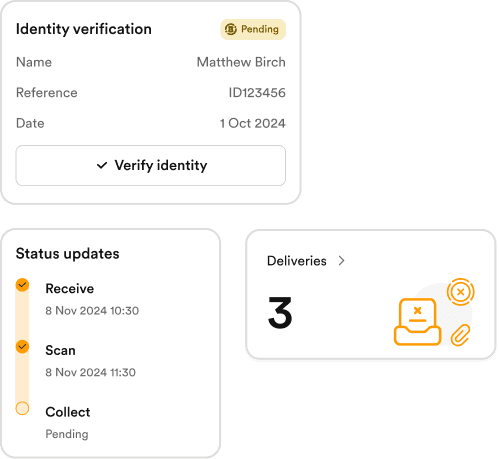
Delivery processing
What operators told us
The wins that mattered
Operators were quick to tell us what was working: "This app is miles better than the previous version."
What they loved:
Faster, more responsive performance
Noticeably better image quality
Marking packages as collected in-app saved so many trips between mailroom and computer
The friction points
Beta testing showed us where we still had work to do:
Search blocking itself: The keyboard would pop up and cover search results. Frustrating when you're trying to move quickly.
Account confusion: Hard to tell company accounts from individual accounts at a glance.
The missing piece
No bulk operations: This was the biggest gap. Operators had to clear packages one by one, hitting errors along the way. They kept asking: "Can't I just apply this to all of them?"
What I learned
Start with why, always
I could have just updated the UI to match Virtual Office and called it done. But taking time to understand why operators were frustrated led to a much better solution.
Embrace different perspectives
The decision to include label extraction came from listening to beta users. The technical solutions for constraints came from collaborating with engineering. The best work happens when you bring diverse viewpoints together.
Fail forward
Not every initial idea made it through. Multi-page scanning? Didn't happen. Advanced filtering? Pushed to version two. But each "no" taught us something and helped us focus on what really mattered.
Stay curious
This project reminded me that you can't assume you know what users need. You have to ask, observe, and stay open to learning something that might change your direction.
Want to work together? Drop me a message and let's chat.
© 2025 Liva Designs